New Jersey E-Bike Laws Require License, Registration to Operate
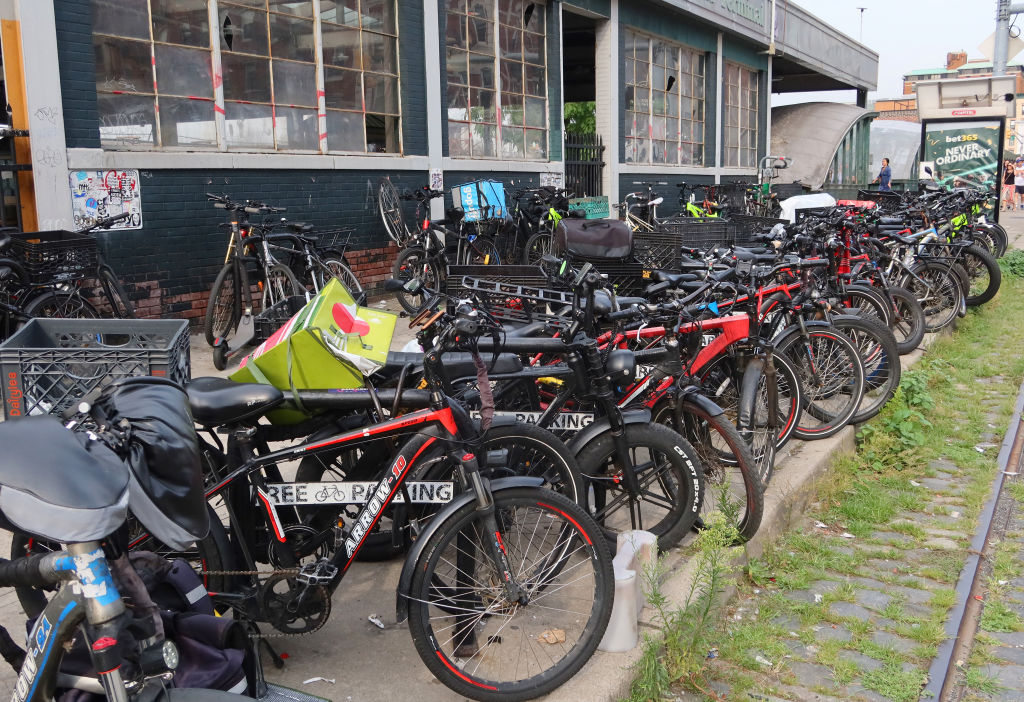
New Jersey has enacted the most stringent e-bike regulations in the United States, requiring all e-bike owners and operators to obtain a license, register their bikes, and secure insurance. Signed into law by Governor Phil Murphy on January 19, 2026, the legislation applies to all e-bike classes, including low-speed Class 1 models.
While definitions can vary from state to state, the United States has adopted the 3-class system for e-bikes.
- Class 1: pedal assist only up to 20MPH
- Class 2: pedal assist and throttle up to 20MPH
- Class 3: pedal assist only up to 28MPH
Riders under 15 are prohibited from operating e-bikes, and those aged 15-16 must obtain a motorized bicycle license, while individuals 17 and older can use a standard driver’s license. The law also includes a six-month grace period for compliance, giving riders until mid-July to meet the new requirements.


The legislation was introduced following a surge in e-bike-related crashes in 2025, including several fatalities. Proponents argue that the law will enhance road safety and protect accident victims, but critics, including cycling advocacy groups, have raised concerns. They argue that the law unfairly burdens low-speed e-bike users while failing to address the risks posed by high-powered electric mopeds and motorcycles, often involved in accidents. Despite the controversy, the law also bans the online sale of high-speed e-motos exceeding 750 watts, a move aimed at curbing unsafe practices. As the state navigates the implementation of these regulations, the debate over their fairness and effectiveness continues.
New Jersey E-Bike Laws Require License, Registration to Operate was originally published on rnbphilly.com