Hidden Philly Finds: The Wild History of Carpenters’ Hall
Hidden Philly Finds: The Wild History of America’s First Bank Robbery, Carpenters’ Hall
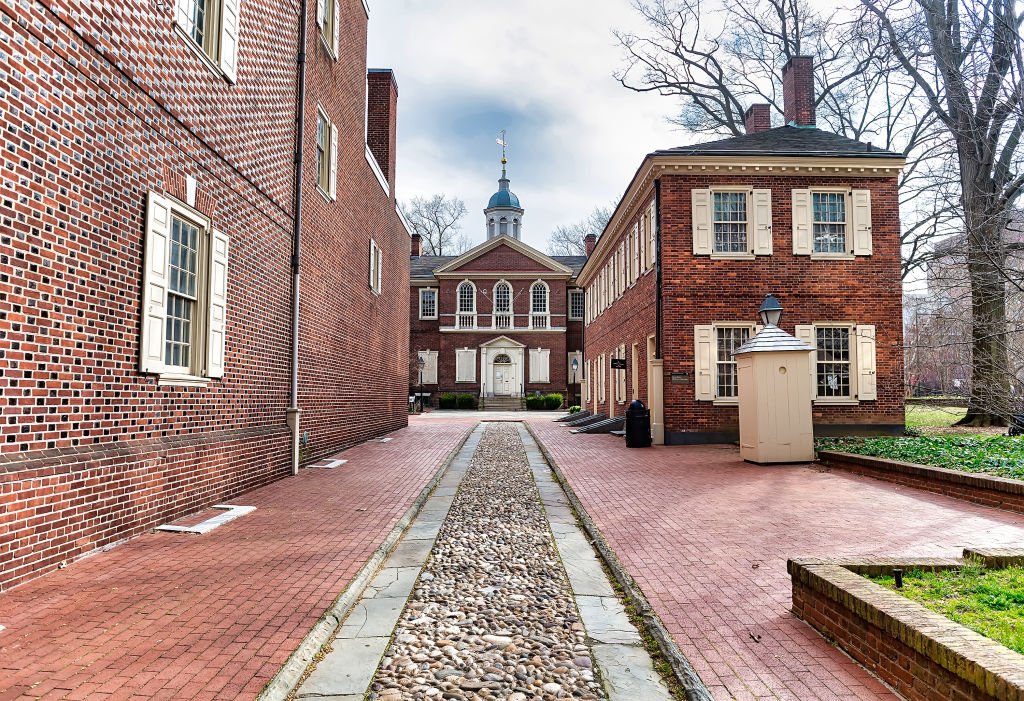
The Wild History of Carpenters’ Hall
When we talk about Black history and American history, we often focus on the big names and the polished stories. But sometimes, the most fascinating tales are hidden in the bricks of buildings we walk past every day. Take Carpenters’ Hall in Old City Philadelphia. You might know it as the birthplace of the First Continental Congress, where folks gathered in 1774 to talk about liberty. But did you know this same historic landmark was also the scene of America’s first major bank robbery?
We’re talking about a heist that had everything: a framed innocent man, deep corruption, and a trial that had the whole city talking. Let’s peel back the layers of this Philly landmark.
Where Voices Gathered for Freedom
Carpenters’ Hall wasn’t just another building; it was a power center. In 1774, tensions were boiling over. The colonies needed a place to meet that was private and away from the prying eyes of the British loyalists. They chose Carpenters’ Hall, a stunning Georgian-style building constructed by the Carpenters’ Company, the oldest trade guild in the country.
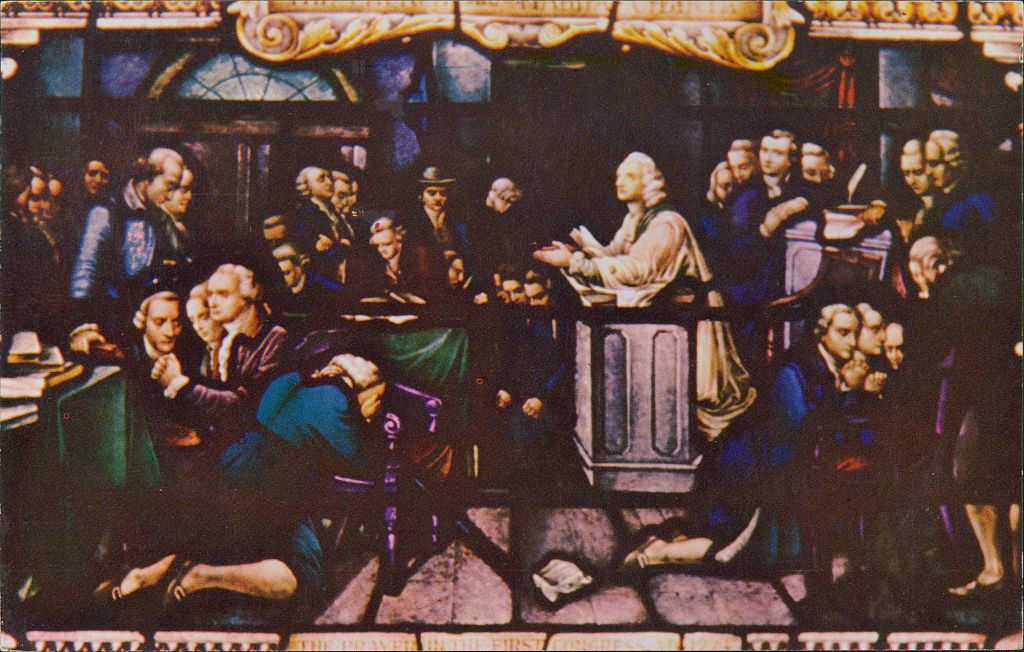
It was here that Patrick Henry, George Washington, and John Adams gathered for the First Continental Congress. They weren’t just chatting; they were laying the groundwork for a revolution. This space represents the power of organizing and the strength of a community coming together to demand change.
Fast forward to 1798. The revolution is over, the country is young, and Carpenters’ Hall is renting space to the Bank of Pennsylvania. It seemed like a safe bet—until it wasn’t.
On a late summer night, thieves broke into the bank and made off with a staggering $162,821 in gold and banknotes. In today’s money? That’s millions. This wasn’t a smash-and-grab; it was clean. Too clean. There were no signs of forced entry on the vault.
Naturally, the law went looking for a suspect, and they found a convenient one in Patrick Lyon. Lyon was a talented blacksmith who had actually installed the vault doors and locks. Because he was the one who made the locks, the authorities figured he was the only one who could crack them.
However, Lyon wasn’t just innocent; he was being set up. He was locked up in the notorious Walnut Street Jail, arguably facing the kind of systemic injustice that feels all too familiar to our community today.
While Lyon sat in a cell, unable to work or support his family, the real thieves were living it up. It turned out to be an inside job. Isaac Davis, a member of the Carpenters’ Company, and Thomas Cunningham, the bank’s porter, were the culprits. They didn’t pick the locks; they had keys.
The plot unraveled when Cunningham died of yellow fever (a massive epidemic was sweeping Philly at the time) and Davis started depositing the stolen cash into—wait for it—the very same bank he robbed. Talk about bold!
When Davis was caught, the corruption ran even deeper. He cut a deal: he returned most of the money and, incredibly, was pardoned. He walked free while Lyon, the innocent blacksmith, was still sitting in jail.
A Sensational Trial and a Legacy of Resilience
After Patrick Lyon was finally being released, he sued the bank officials and the constable who arrested him. It was a sensational trial that captivated Philadelphia. He wrote a book about his ordeal, The Narrative of Patrick Lyon, exposing the rush to judgment and the arrogance of the elite.
The jury later awarded Lyon $12,000 in damages—a huge sum for the time.
Historian Kenneth Silverman, discussing the era, pointed out that early American law was often “a weapon of the wealthy.” Lyon’s victory was a rare and powerful exception, a moment where the system was forced to correct itself.
Carpenters’ Hall Today
Carpenters’ Hall stands today as part of Independence National Historical Park. When you visit, you’re walking on floors that held the weight of revolutionaries and the secrets of a massive heist. Whether it’s the delegates demanding rights in 1774 or a blacksmith demanding his freedom in 1798, the spirit of this place remains long after its historic happenings took place.
MORE HIDDEN PHILLY FINDS:
RELATED: Hidden Philly Finds: The Story of Cherry Hill’s Hidden Colonial-Era Gravesite
RELATED: Hidden Philly Finds: Joseph Bonaparte’s Philadelphia Home
RELATED: Hidden Philly Finds: A Man Full of Trouble Tavern
Hidden Philly Finds: The Wild History of America’s First Bank Robbery, Carpenters’ Hall was originally published on rnbphilly.com


